
Using a Lifting Belt with a Brace
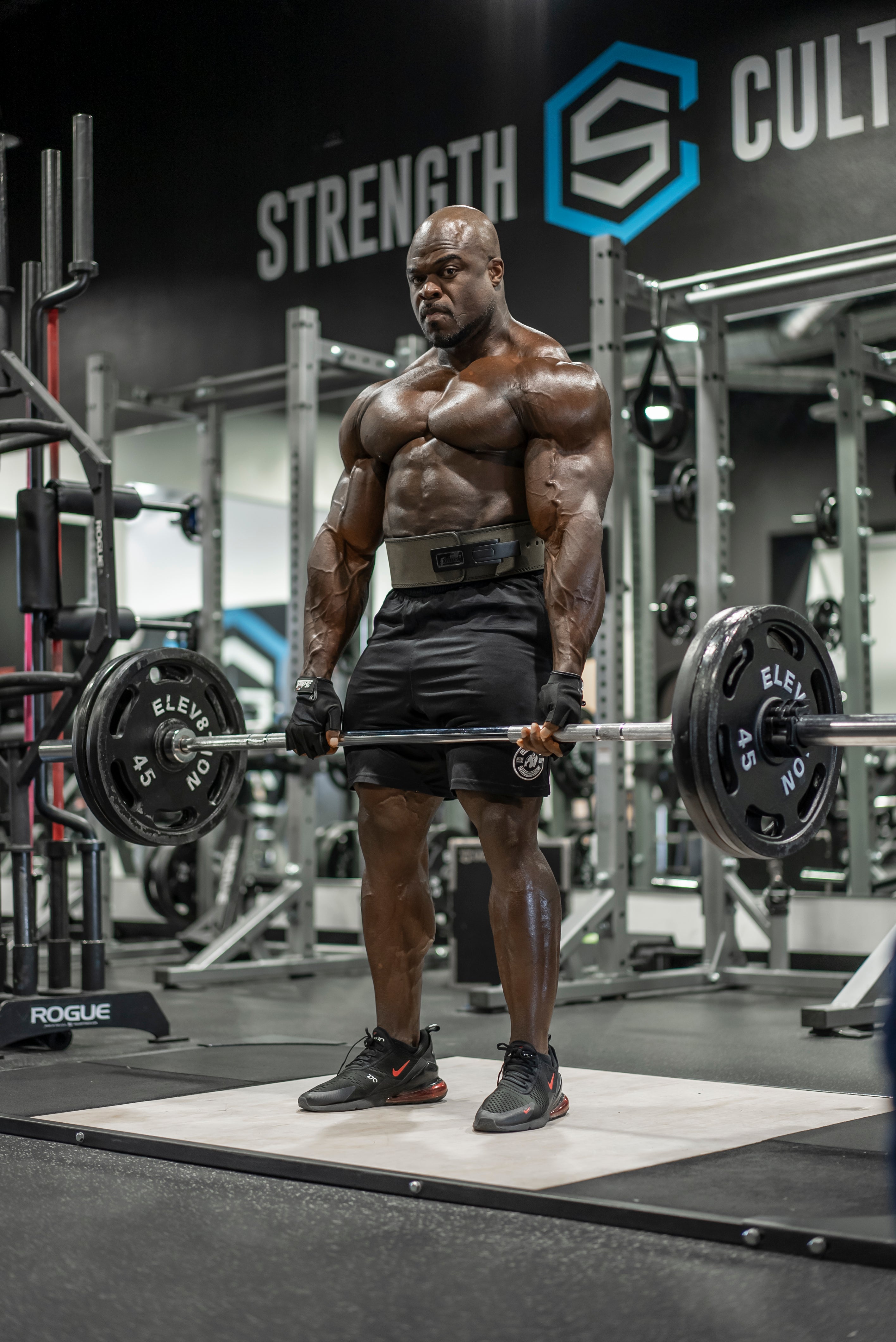
A lifting belt provides a firm surface for the trunk to brace against during selected lifts. It does not create the brace for you: breathing, trunk control, and a practiced movement remain central.
Set the belt position
Place the belt where you can expand your abdomen and sides without it digging sharply into your ribs or hips. Body shape and lift position differ, so use a comfortable starting point and check it in the actual movement.
Practise pressure
Take a controlled breath and press the trunk outward around the waist, including the sides and back. Keep the effort appropriate to the set and maintain the position through the part of the lift where you need it.
Use it selectively
Some lifters wear a belt for heavier work and remove it for other sets. Choose according to the exercise, training plan, and coaching advice. A belt does not guarantee safe technique or replace gradual loading.
Recheck the fit
If the belt shifts, pinches, or restricts comfortable breathing, pause and reposition it. Learn more about model options in the Schiek belt range.
A belt gives the trunk a surface to brace against, but it does not replace breathing and pressure control. Take a comfortable breath, brace around the torso, and maintain that pressure through the part of the movement where it is useful. Practise the pattern with a light load first.
Many lifters find it useful to practise bracing first without a belt, then repeat the same breathing pattern with the belt fastened comfortably. The belt should give you a surface to brace against while still allowing a full breath and controlled movement. Adjust its position if it pinches during the bottom of a squat or catches against your ribs when you hinge. Build the habit with light sets before relying on it for harder work.
A practical check is whether you can still take the breath your technique requires after fastening the belt. If you cannot expand comfortably, loosen it or adjust its position before lifting. The belt should support a repeatable brace, while the movement and load remain within the limits of your training plan.
Browse weightlifting belts, wrist wraps, and ABG Stretch Tape, or contact Schiek Sports Australia with a product question.
A belt works best when it supports a movement you already know how to perform. It gives the trunk something firm to brace against, but it does not lift the weight for you or replace practice. Before adding one to a session, rehearse the movement with a manageable load and notice where your torso naturally bends and where the belt sits comfortably. The aim is a repeatable setup that lets you breathe, brace and move without fighting the equipment.
Fit is personal because torso length, waist shape and preferred lifting position differ. A belt that feels comfortable while standing may press into the ribs or hips at the bottom of a squat, so check it in the positions you actually use. Try a few bodyweight repetitions, then an easy warm-up set. If the edge digs in, shifts, or makes you alter your movement to avoid pressure, adjust its position or fastening before increasing the load.
Breathing and bracing deserve attention whenever a belt is part of the setup. Take a controlled breath, create firm pressure around the trunk, and keep that pressure as you begin the repetition. The belt can provide a surface to brace against in several directions; it should not be so tight that you cannot take a useful breath. Practise this at light effort first. A calm, repeatable brace is more useful than pulling the belt as tight as possible.
Different exercises may call for slightly different belt placement. A low-bar squat, front squat, deadlift and overhead lift do not all put the torso in the same position. Small adjustments can make the edge more comfortable while preserving room to move. Make one change at a time, then repeat the same easy movement so you can tell whether it helped. Keep the placement that feels stable and does not interfere with your range of motion.
Use the belt deliberately rather than automatically for every repetition. Some lifters wear it for heavier working sets and take it off for warm-ups or accessory work; others prefer to practise with it more often. Your training plan, experience and comfort can guide that choice. Keep some unbelted practice where appropriate, and use loads you can control. A belt is training equipment, not a reason to ignore technique or turn every set into a maximum effort.
A useful practice session is simple: set the belt, take a breath, brace, perform one repetition, and then reassess. Check that it stayed in place and that you could reach the intended depth or start position. Repeat with a modest load before relying on the setup for demanding work. If the belt changes how you move, pause and troubleshoot the position, tension or exercise instead of assuming that more tightness will solve the problem.
Comfort can change as a session progresses. Warmth, sweat, a different shirt, or fatigue may affect how the belt feels and how securely it stays in place. Recheck the fastening between sets, especially after removing or repositioning it. Do not leave a loose end or closure where it can catch on equipment. A short check takes little time and helps keep your attention on the lift rather than on a belt that is sliding or pinching.
New equipment often feels unfamiliar at first. Give yourself time to learn how to position and fasten it before using it on your hardest set. Practise in a quiet part of the workout and note the setting that feels secure. Avoid making several changes at once, since it becomes difficult to identify the source of discomfort. Familiarity should come from controlled repetitions and sensible adjustment, not from forcing yourself to tolerate a fit that feels wrong.
After training, let the belt air out in a dry place before putting it away. Sweat and dampness can linger around padding, seams and closure components. Wipe off surface dirt with a soft, lightly damp cloth when needed, and follow the care guidance supplied with the product. Avoid harsh cleaners, soaking or direct high heat unless the manufacturer specifically allows it. Basic care helps keep the material pleasant to handle and makes wear easier to spot.
Look over the belt from time to time, especially where it bends and where the closure bears tension. Check seams, stitching, fasteners and any adjustment mechanism for damage or unusual looseness. Normal cosmetic wear is different from a component that no longer holds securely. If you find a defect that affects reliable fastening, stop using the belt until you have resolved it. Equipment inspection is a practical habit, not a prediction that every mark signals failure.
Keep a brief note if you are still refining your setup. Recording the exercise, belt position, closure setting and comfort can reveal which arrangement works consistently. This is particularly useful when you train at different times or change clothing layers. The note need not be complicated; a few words after the session are enough. Use it as a reminder, then continue to judge each session by how the belt feels and behaves that day.
If you are unsure whether a particular belt suits your training, compare its size information, shape, fastening and stated use before purchasing. Product names alone do not tell you how it will feel on your body. Measure at the place where you expect to wear it and consult the current size chart. When a measurement falls near a boundary, ask the retailer for guidance rather than guessing from trouser size or choosing solely by appearance.
The belt works best when it supports a movement a lifter already know how to perform. It gives the trunk something firm to brace against, but it does not lift the weight for a lifter or replace practice. Before adding one to a session, rehearse the movement with a manageable load and notice where the torso naturally bends and where the belt sits comfortably. The aim is a repeatable setup that lets a lifter breathe, brace and move without fighting the equipment.
Fit is personal because torso length, waist shape and preferred lifting position differ. The belt that feels comfortable while standing may press into the ribs or hips at the bottom of a squat, so check it in the positions a lifter actually use. Try a few bodyweight repetitions, then an easy warm-up set. If the edge digs in, shifts, or makes a lifter alter the movement to avoid pressure, adjust its position or fastening before increasing the load.
Breathing and bracing deserve attention whenever a belt is part of the setup. Take a controlled breath, create firm pressure around the trunk, and keep that pressure as a lifter begin the repetition. The belt can provide a surface to brace against in several directions; it should not be so tight that a lifter cannot take a useful breath. Practise this at light effort first. The calm, repeatable brace is more useful than pulling the belt as tight as possible.
Different exercises may call for slightly different belt placement. The low-bar squat, front squat, deadlift and overhead lift do not all put the torso in the same position. Small adjustments can make the edge more comfortable while preserving room to move. Make one change at a time, then repeat the same easy movement so a lifter can tell whether it helped. Keep the placement that feels stable and does not interfere with the range of motion.