
Protecting Your Hands During Barbell Training
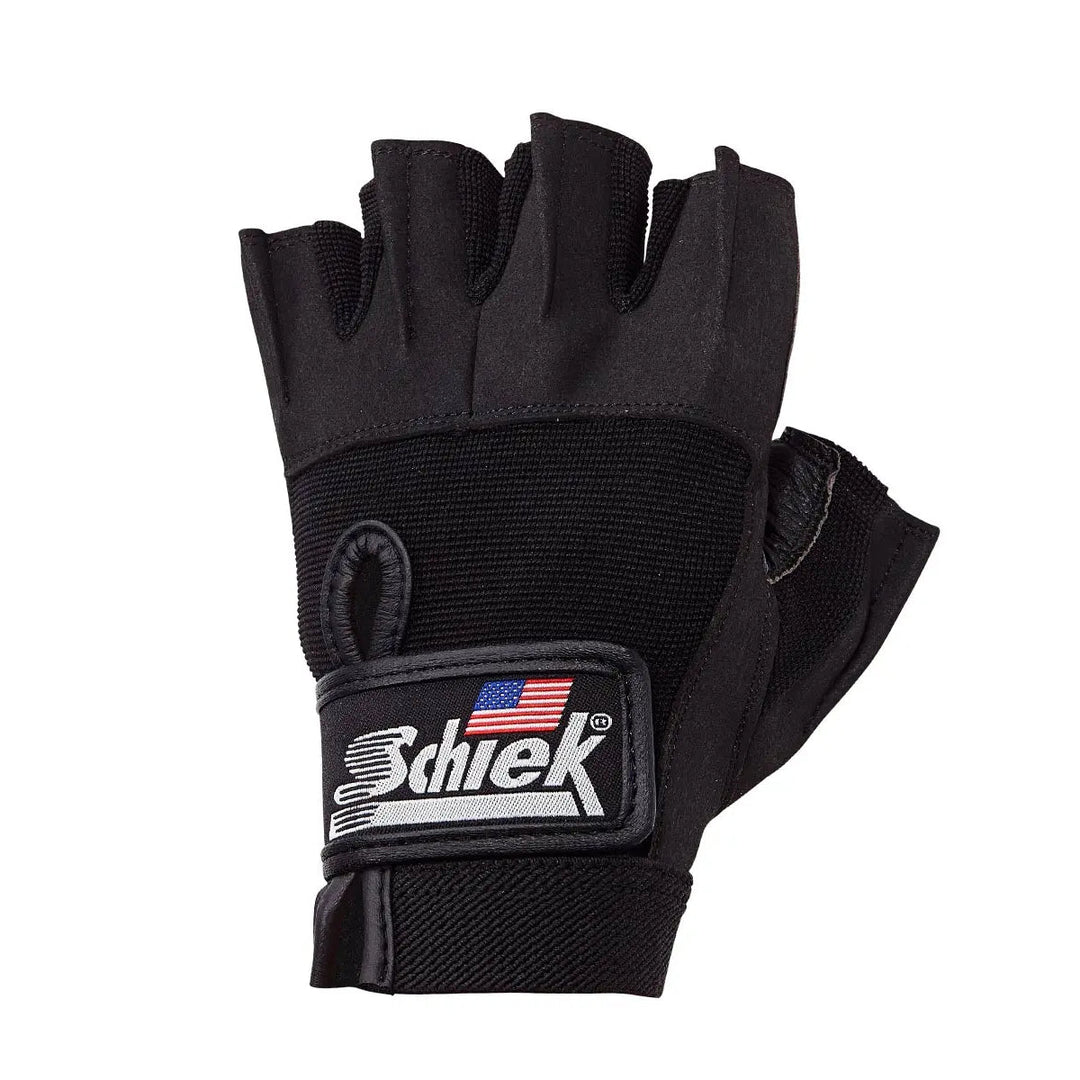
Barbell contact, chalk, grip position, and knurling can create friction on the hands. Pay attention to recurring hotspots and choose practical adjustments that keep skin comfortable during training.
Notice where friction builds
Observe whether discomfort appears near the fingers or across the palm and which lifts bring it on. Change one factor at a time, such as hand position or the amount of chalk, so you can identify what helps.
Keep skin clean and intact
Wash and dry hands before training. Avoid picking at calluses or placing adhesive over irritated or broken skin. Seek medical guidance for persistent skin problems rather than treating every issue as equipment-related.
Use tape thoughtfully
Some lifters use tape for particular sessions. Apply a thin, smooth layer that will not bunch inside the grip. Stop if it slips or irritates the skin.
Review grip and product details
A coach can help assess hand position. Tape cannot correct every source of discomfort. Read material and allergy information for ABG Stretch Tape.
Keep your hands clean and dry, and notice any thickened skin that catches during a grip. Avoid tearing or cutting calluses aggressively; care for them gently and let broken skin recover before returning to training. Tape may offer a protective layer for some uses, but it should still be applied comfortably.
The way you hold the bar and the condition of your hands both affect friction. Keep the grip consistent, use chalk only as needed, and avoid letting rough or torn skin catch on the knurling. If a callus develops a sharp raised edge, smooth it gently rather than pulling it off. Give damaged skin time to recover, and choose gloves or tape only if they allow a secure, comfortable grip for the exercise.
If a callus becomes raised or catches on the bar, reduce friction and keep the area clean rather than pulling at the skin. Use tools for callus care cautiously, and avoid training through a tear that is open or bleeding. Recurring hot spots can also be a cue to ask a coach to review hand placement and grip.
Browse weightlifting belts, wrist wraps, and ABG Stretch Tape, or contact Schiek Sports Australia with a product question.
Tape is a small piece of equipment, so it is easy to apply quickly and just as easy to apply poorly. Begin with clean, dry skin and decide exactly where the strip needs to sit. The goal is to cover a contact area that tends to rub, while leaving the hand free to close around the bar. A narrow, smooth layer is often more comfortable than wrapping several thick layers around the thumb or fingers.
Before applying a fresh strip, inspect the skin. Do not tape over a cut, irritated rash or skin that is already painful. If you have reacted to an adhesive before, check the product information and consider avoiding it. Press the tape gently into place without pulling the skin tight. Leave the joint able to move and check that the strip does not create a tight ring that restricts circulation.
For hook-grip work, the usual aim is to protect the part of the thumb that contacts the bar and fingers. Exact placement varies with hand size and the way a lifter forms the grip. Rehearse the grip after taping: the thumb should be covered where friction occurs, the fingers should still close securely, and the bar should not feel slippery. A strip that bunches or covers too much of the gripping surface may make the hold less predictable.
Tape can reduce direct rubbing, but it cannot remove all pressure from a hard hook grip. Build the grip gradually and give your hands time to adapt to the movement. If the thumb hurts sharply or the skin becomes damaged, stop and review your technique and workload. Do not keep adding layers to push through pain. Protection is useful when it supports sensible practice; it is not a substitute for adjusting a painful training plan.
A good application stays smooth through a few light repetitions. Start with a short strip and add only what you need. Smooth out wrinkles, press the ends down and check that they do not lift when you bend the thumb. If the tape is too tight, remove it rather than trying to pull it looser while it is on the skin. Reapply with less tension and reassess before loading the bar.
Adhesion changes with sweat, chalk, skin oils and movement. Check the edges between sets, especially before a lift where a loose end could distract you or catch. Replace a strip that is wet, dirty, frayed or no longer attached securely. Reusing a worn piece may seem convenient, but it can bunch at the exact spot where you need a smooth surface. Keep a small amount of clean tape available if you expect to need it.
Removing tape gently helps avoid unnecessary irritation. Peel it back slowly, following the direction that feels comfortable, and do not rip it off in one sharp movement. If adhesive remains, follow the product guidance for cleaning the skin. Wash the area with mild soap and water, then let it dry. Give irritated skin time to settle before taping it again, and seek appropriate care for a significant skin reaction.
Products sold as athletic tape can differ in stretch, width, adhesive and intended use. Check the packaging to confirm that the tape is designed for skin contact and suitable for the way you plan to use it. Do not assume every tape is interchangeable. A stretch tape may behave differently from a rigid sports tape, and an unsuitable adhesive may be uncomfortable. When in doubt, consult the manufacturer information before applying it.
Keep the roll clean and store it somewhere dry, away from excessive heat and dust. Close the packaging if one is provided, and avoid leaving the roll loose at the bottom of a damp gym bag. A clean roll is easier to handle and less likely to pick up debris that ends up against the skin. Check the condition before a session so you are not trying to fix a poor application with tape that has lost its stick.
Tape is personal: some lifters prefer it for a particular contact point, while others choose to train without it. Try it during a manageable practice session rather than for the first time on a demanding attempt. Compare how the grip feels, whether the tape stays in place and how your skin feels after removal. Let those observations guide your routine. You do not need to tape simply because another lifter does.
When taping another person, explain what you are doing and ask before touching their hand. Keep the application light and let the lifter say whether the pressure or placement feels comfortable. Hand shape, skin sensitivity and preferred grip vary. A strip that works well for one person may feel restrictive to another, so individual feedback matters more than copying a standard pattern exactly.
Make tape part of a broader hand-care routine. Keep skin clean, pay attention to developing hot spots and avoid letting calluses become thick, torn edges that catch on the bar. Tape can help manage friction in a particular session, but it does not replace sensible grip practice or basic skin care. If you repeatedly need to cover the same painful area, review the cause instead of relying on increasingly elaborate layers.
Tape is a small piece of equipment, so it is easy to apply quickly and just as easy to apply poorly. Begin with clean, dry skin and decide exactly where the strip needs to sit. The goal is to cover a contact area that tends to rub, while leaving the hand free to close around the bar. The narrow, smooth layer is often more comfortable than wrapping several thick layers around the thumb or fingers.
Before applying a fresh strip, inspect the skin. Do not tape over a cut, irritated rash or skin that is already painful. If a lifter have reacted to an adhesive before, check the product information and consider avoiding it. Press the tape gently into place without pulling the skin tight. Leave the joint able to move and check that the strip does not create a tight ring that restricts circulation.
For hook-grip work, the usual aim is to protect the part of the thumb that contacts the bar and fingers. Exact placement varies with hand size and the way a lifter forms the grip. Rehearse the grip after taping: the thumb should be covered where friction occurs, the fingers should still close securely, and the bar should not feel slippery. The strip that bunches or covers too much of the gripping surface may make the hold less predictable.
Tape can reduce direct rubbing, but it cannot remove all pressure from a hard hook grip. Build the grip gradually and give the hands time to adapt to the movement. If the thumb hurts sharply or the skin becomes damaged, stop and review the technique and workload. Do not keep adding layers to push through pain. Protection is useful when it supports sensible practice; it is not a substitute for adjusting a painful training plan.
The good application stays smooth through a few light repetitions. Start with a short strip and add only what a lifter need. Smooth out wrinkles, press the ends down and check that they do not lift when a lifter bend the thumb. If the tape is too tight, remove it rather than trying to pull it looser while it is on the skin. Reapply with less tension and reassess before loading the bar.