
A Simple Warm-up Before Heavy Lifting
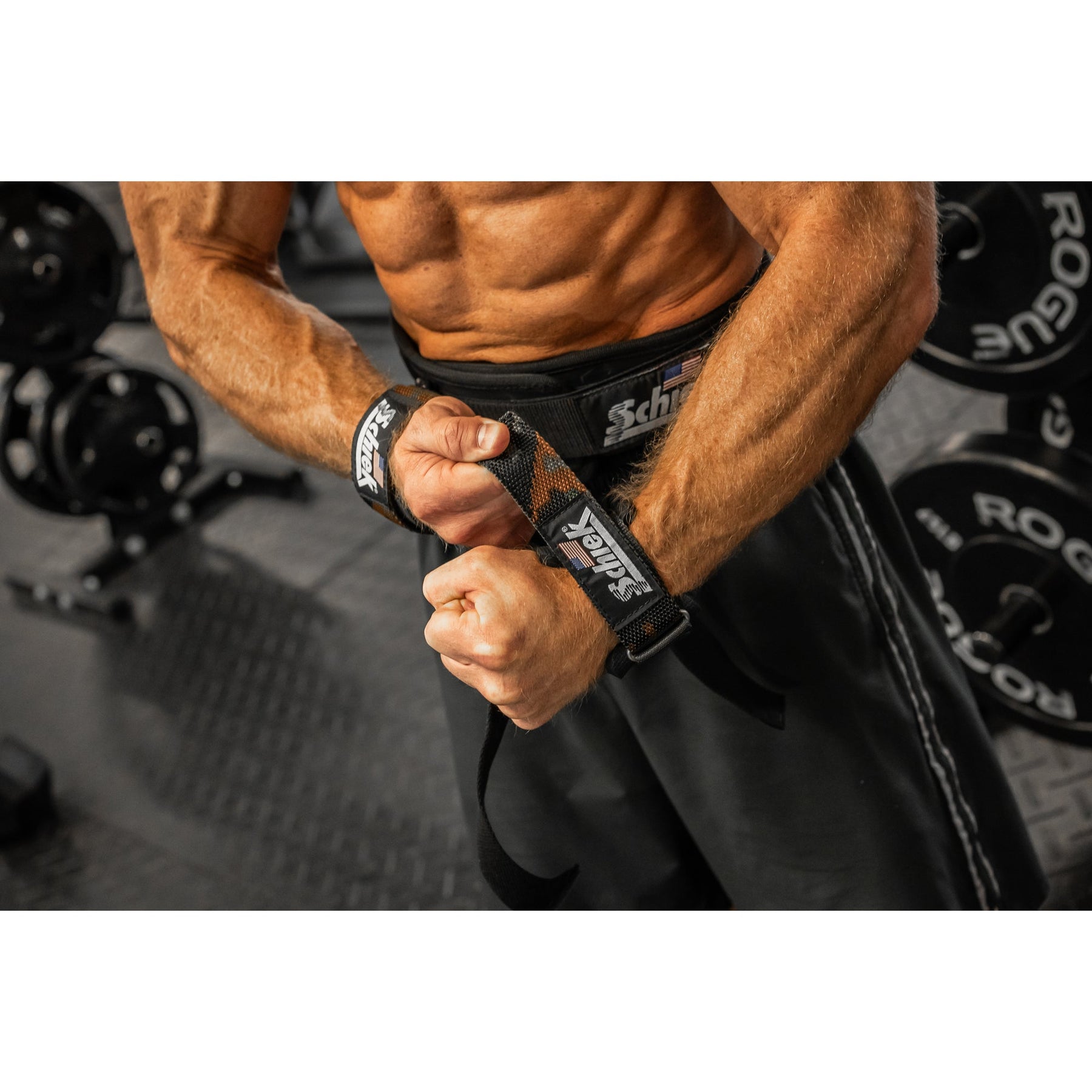
A warm-up should prepare you to practise the planned movement and increase effort gradually. Build it around the exercise, your experience, and how you feel that day rather than copying a fixed routine.
Start with easy movement
Begin with comfortable general movement if it helps you feel ready. Add mobility or activation work related to the positions your lift requires, keeping the routine simple and purposeful.
Ramp the lift
Use the movement itself with a light load, then add weight in manageable steps. As load rises, reduce repetitions so warm-up work does not become tiring. Choose jumps suited to your planned working weight.
Practise with equipment
If you plan to wear a belt or wrist wraps for working sets, practise putting them on during warm-ups. Check placement and comfort before the session becomes demanding.
Respond to pain
A warm-up is not a diagnosis. Stop if movement causes concerning pain or symptoms and seek appropriate guidance. The goal is a controlled start to training.
Begin with easy general movement, then practise the main lift with a light load. Add weight gradually while checking your position and movement speed; adjust the number of warm-up sets to the session and how you feel that day. Warm-ups should prepare you without tiring you before work sets.
Use the warm-up to rehearse the positions and rhythm you want in the working sets. Early sets should feel easy, and each increase in load should still allow controlled repetitions. The exact steps can vary with the exercise, session length, and how prepared you feel that day. If a movement feels unusually stiff or uncomfortable, spend more time at a lighter load and reassess before progressing instead of rushing to the planned top weight.
Use the early sets to notice how the movement feels, not just to reach a target weight. Increase the load in manageable steps and allow enough repetitions to practise the setup without creating unnecessary fatigue. The number and size of warm-up jumps will vary with the lift, the day, and your planned working weight.
Browse weightlifting belts, wrist wraps, and ABG Stretch Tape, or contact Schiek Sports Australia with a product question.
Preparation begins with knowing what the session is meant to accomplish. Check the plan, identify the main movements and choose equipment that serves those movements. A simple setup is easier to repeat than a bag full of items you may not use. Consider the gym environment, the duration of the workout and whether you will need a change of clothing or a place to store used items. Good preparation reduces small distractions and leaves more attention for training.
Give yourself a little time to settle in before the first demanding set. Arrange the equipment you need, check that it is in working order and make sure the training area is clear. If you are sharing a rack or platform, follow the facility's rules and keep personal items out of walkways. These practical habits make the session smoother for you and for the people around you.
A brief equipment check can prevent avoidable interruptions. Look for damage, loose fasteners, worn stitching or parts that do not close as they should. Clean off dirt when appropriate and set questionable items aside until you can assess them properly. Do not assume equipment is ready simply because it was fine last week. Regular use, transport and storage can all change its condition.
Fit should be assessed while moving, not only while standing still. Try the relevant motion at low effort and notice whether anything slips, pinches, catches or limits the position you need. Make one small adjustment at a time. If the issue persists, stop and choose a different setup. A comfortable, repeatable arrangement is more useful than one that looks correct but distracts you once the exercise begins.
Build the session gradually. Start with easy movement and increase effort in steps that prepare you for the planned work. Warm-up sets are also a chance to check technique and equipment. If a set feels unexpectedly awkward, pause and work out why before adding more weight or speed. Preparation is not a race; it is a way to arrive at the main work ready to perform it with attention.
Pay attention to what you feel during the exercise. Normal effort and muscle fatigue are different from sharp pain, unusual numbness or a sudden loss of control. Stop if something feels wrong and reassess the movement, load and equipment. Persistent or concerning symptoms should be discussed with a qualified professional. No accessory or preparation routine can guarantee that discomfort will never occur, so use your own feedback throughout the session.
Keep track of practical details that help you repeat a successful session. A short note about equipment settings, warm-up choices or the order of exercises can be useful when your routine changes. You do not need to record every detail. Write down information that answers a real question, such as which adjustment felt comfortable or whether you packed an item you repeatedly forgot.
After the workout, put used items somewhere they can dry and be cleaned. Separate damp clothing and fabric accessories from clean gear, and return shared equipment to its proper place. A few minutes of reset makes the next session easier to start. It also gives you a natural moment to notice whether anything needs washing, repairing or replacing before you rely on it again.
When choosing or replacing equipment, compare the details that affect daily use: dimensions, materials, closure, care instructions and intended activity. Read the size guide and measure where the item will actually sit. Product photographs can help show construction, but they cannot tell you exactly how a fit will feel on your body. Use written specifications and ask the retailer about uncertainties before ordering.
Comfort and preference vary from person to person. A training partner's favourite setup is useful information, but it is not a guarantee that the same choice will suit you. Try unfamiliar equipment at low effort, make a note of what works and give yourself time to learn its use. Change one factor at a time so you can understand whether the adjustment improved the experience.
Keep the training area organised. Place small items where they are easy to reach but do not obstruct movement, and avoid leaving loose tape, straps or clothing near moving equipment. If you train at a busy facility, be considerate about sharing space and returning items promptly. Orderliness is a simple part of preparation that helps everyone focus on the work they came to do.
A routine should be adaptable. Travel, a crowded gym, a change in schedule or an unfamiliar piece of equipment may require a simpler plan. Know which parts of your preparation are essential and which are optional. This helps you stay consistent without treating every small change as a reason to abandon the session. Use sound judgment and choose a version of the workout you can perform comfortably.
Preparation begins with knowing what the session is meant to accomplish. Check the plan, identify the main movements and choose equipment that serves those movements. The simple setup is easier to repeat than a bag full of items a lifter may not use. Consider the gym environment, the duration of the workout and whether a lifter will need a change of clothing or a place to store used items. Good preparation reduces small distractions and leaves more attention for training.
Give yourself a little time to settle in before the first demanding set. Arrange the equipment a lifter need, check that it is in working order and make sure the training area is clear. If a lifter are sharing a rack or platform, follow the facility's rules and keep personal items out of walkways. These practical habits make the session smoother for a lifter and for the people around you.
The brief equipment check can prevent avoidable interruptions. Look for damage, loose fasteners, worn stitching or parts that do not close as they should. Clean off dirt when appropriate and set questionable items aside until a lifter can assess them properly. Do not assume equipment is ready simply because it was fine last week. Regular use, transport and storage can all change its condition.
Fit should be assessed while moving, not only while standing still. Try the relevant motion at low effort and notice whether anything slips, pinches, catches or limits the position a lifter need. Make one small adjustment at a time. If the issue persists, stop and choose a different setup. The comfortable, repeatable arrangement is more useful than one that looks correct but distracts a lifter once the exercise begins.
Build the session gradually. Start with easy movement and increase effort in steps that prepare a lifter for the planned work. Warm-up sets are also a chance to check technique and equipment. If a set feels unexpectedly awkward, pause and work out why before adding more weight or speed. Preparation is not a race; it is a way to arrive at the main work ready to perform it with attention.
Pay attention to what a lifter feel during the exercise. Normal effort and muscle fatigue are different from sharp pain, unusual numbness or a sudden loss of control. Stop if something feels wrong and reassess the movement, load and equipment. Persistent or concerning symptoms should be discussed with a qualified professional. No accessory or preparation routine can guarantee that discomfort will never occur, so use the own feedback throughout the session.