
Choosing Wrist Wrap Length
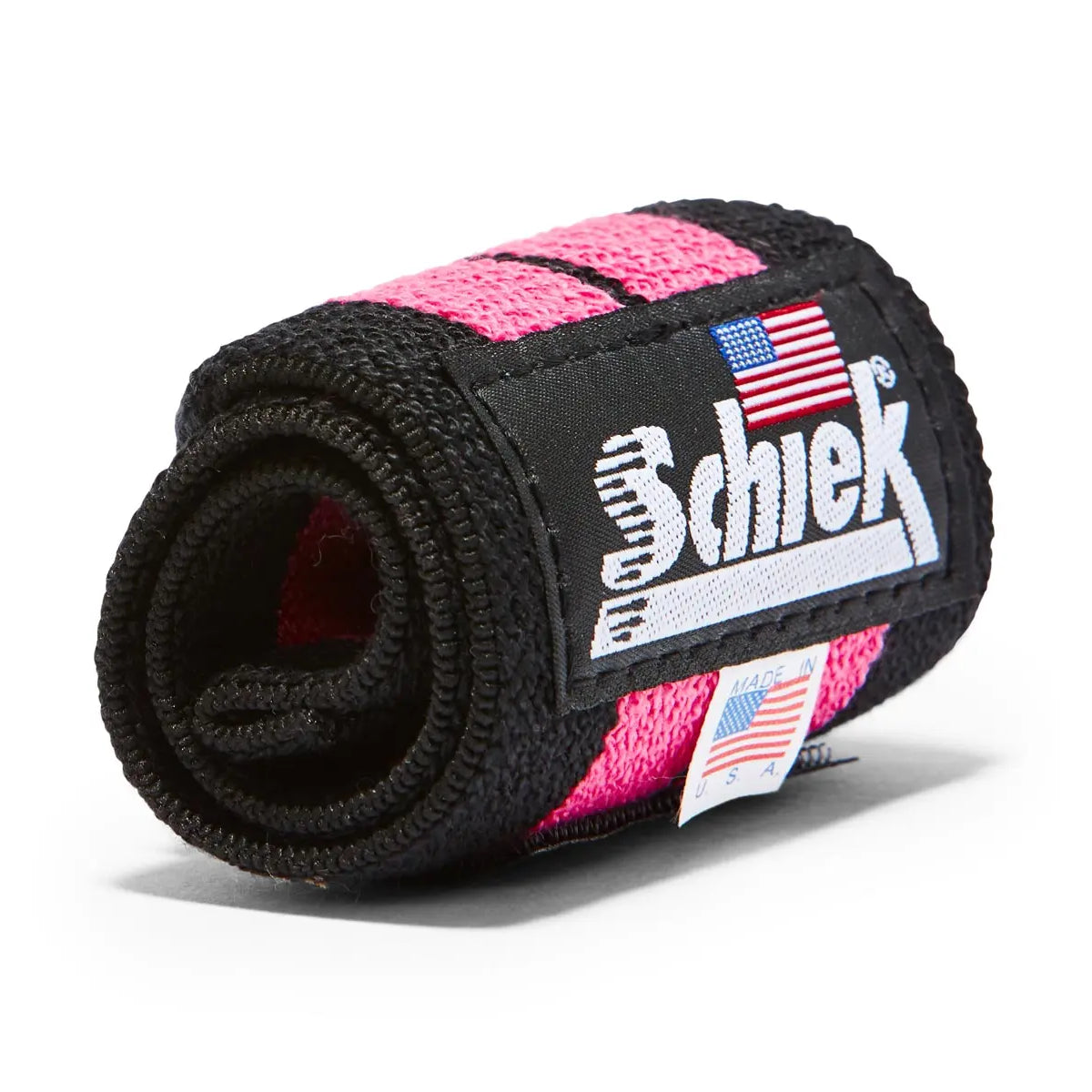
Wrap length affects how many passes can be made around the wrist and how much material is available for adjustment. A longer wrap is not automatically better; style, width, material, and comfort also matter.
Compare dimensions
Check the listed length and whether the package includes one wrap or a pair. Confirm units before purchase. Photos can make different lengths look similar, so rely on written specifications.
Think about your technique
More length allows additional passes, while a shorter wrap may be quicker to apply. Consider whether you can keep the fabric flat without excessive overlap and whether the closure lands conveniently.
Review material and fastening
Elasticity, stiffness, width, and hook-and-loop design all affect the feel. Read the exact product details and care instructions rather than comparing length alone.
Try and reassess
Practise at light effort and check sensation, comfort, and movement. If you are unsure about sizing or stock, ask the retailer. Review Schiek wrist wraps for model specifications.
The right length depends on how many comfortable passes you want, the wrap width, and the space around your wrist. Compare written specifications and confirm whether the listed price is for one wrap or a pair. Photos can distort apparent length, so use the measurements instead.
Longer wraps allow more passes, but additional layers can also feel warmer or bulkier. Consider the movements you train and how much wrist coverage feels manageable when you flex and extend your hand. Check whether the listed measurement refers to each wrap and whether a pair is included. If you are between options, compare product dimensions and closure placement, then ask the retailer for model-specific guidance rather than guessing from a photograph.
A wrap should be long enough for the coverage you want while remaining manageable to fasten neatly. If extra material creates bulky layers or the closure lands awkwardly, a shorter option may be more convenient. Consider how quickly you need to apply it between sets, and use the product specifications to compare models consistently.
Browse weightlifting belts, wrist wraps, and ABG Stretch Tape, or contact Schiek Sports Australia with a product question.
Wrist wraps are intended to add a firm, adjustable feel around the wrist during selected lifts. They do not strengthen the wrist on their own, correct every technique issue, or guarantee that an exercise will feel comfortable. Start by deciding what you want from the support: a steadier feeling under a bar, a reminder to keep a position, or a more secure setup for a particular set. That purpose will help you choose when to wear them and how much tension to use.
The wrap should lie flat against the wrist, with each pass overlapping evenly. Twists, bulky folds and uneven edges can create pressure points that become distracting once you grip the bar. Secure the closure so it stays put, then flex and extend the hand gently. You should be able to make a fist and hold the implement without numbness, tingling or a cold feeling in the fingers. If those symptoms appear, loosen or remove the wrap straight away.
Tension is a matter of fit and task, not a contest to make the wrap as tight as possible. A heavy pressing set may feel better with a firmer wrap than a warm-up, while some exercises need more wrist movement. Try moderate tension first and assess how the hand feels during an easy set. Adjust by small amounts. The most useful setting is secure enough for your purpose while allowing normal circulation and a comfortable grip.
Different wrap lengths and materials offer different amounts of coverage, stiffness and adjustment. A longer wrap may allow more passes, while a shorter one can be quicker to put on and less bulky. Neither option is automatically best for every lifter. Consider hand size, wrist circumference, the exercises you perform and how much support you actually prefer. Read the product details carefully, since construction and closure style can affect the feel as much as length.
For a new pair, practise the fastening before your workout becomes busy. Find the thumb loop, position the wrap consistently and learn which direction lets the material sit flat. The loop can help hold the starting end during application; it is not meant to remain under uncomfortable tension throughout the set. Once the wrap is secured, check that the closure is not rubbing the hand and that excess material will not interfere with your grip.
Wraps may be useful for some pressing movements, but you do not have to wear them for every exercise. Try them on the lifts where you want the added support and leave them off when they are unnecessary or limit a position you need. This keeps the choice connected to your training rather than habit. If you use them for a particular lift, apply them consistently enough to evaluate whether they help your setup and comfort.
Use warm-up sets to assess the wrap before heavier work. Notice whether the wrist stays in the position you intend, whether the wrap slips, and whether the grip still feels natural. If you find yourself changing the movement to accommodate a bulky or restrictive wrap, adjust its position or choose a different option. A fit check is especially helpful when you change models, wash the wraps, or return to training after a break.
Pain and altered sensation are reasons to stop and reassess, not signals to tighten the wrap further. Remove it and see whether the discomfort settles. Persistent pain, swelling, numbness or weakness deserves attention from a qualified health professional. Wraps are pieces of training equipment, not treatment for an injury. They can make a set feel more supported, but they should not conceal symptoms or encourage you to continue through a problem.
Sweat, chalk and lint can build up in fabric over time. Follow the care information for your specific pair, close the hook-and-loop fastener before washing, and use a gentle method that will not damage the material. Let the wraps dry fully before storing them. Putting damp fabric into a closed gym bag can leave an unpleasant smell and make the next session less comfortable. A simple wash-and-dry routine keeps them ready to use.
Inspect stitching, edges, thumb loops and the fastening surface occasionally. Look for seams that are opening, stretched areas that no longer hold their shape, or closure material that repeatedly releases under ordinary use. A small amount of surface wear may be cosmetic, but compromised fastening affects reliability. Set damaged wraps aside and replace them when they can no longer be secured as intended. Checking them before the session avoids discovering a problem between sets.
If you train with a coach or follow a sport-specific rule set, check whether the wrap model and dimensions are allowed for your event. Requirements can differ between organisations and competition divisions. Confirm the current rules directly rather than relying on an old forum post or a product label. For general gym training, focus on a comfortable fit and straightforward use; for competition, equipment compliance is part of preparation.
A short record can help you decide whether wraps are useful. Note the exercise, approximate tension and how the set felt, then compare that experience over a few sessions. Avoid drawing a conclusion from one unusually difficult or unusually easy day. If the wraps improve comfort without changing your technique, they may have a place in that part of your routine. If they distract you or cause pressure, revisit the fit, length or decision to use them.
Wrist wraps are intended to add a firm, adjustable feel around the wrist during selected lifts. They do not strengthen the wrist on their own, correct every technique issue, or guarantee that an exercise will feel comfortable. Start by deciding what a lifter want from the support: a steadier feeling under a bar, a reminder to keep a position, or a more secure setup for a particular set. That purpose will help a lifter choose when to wear them and how much tension to use.
The wrap should lie flat against the wrist, with each pass overlapping evenly. Twists, bulky folds and uneven edges can create pressure points that become distracting once a lifter grip the bar. Secure the closure so it stays put, then flex and extend the hand gently. You should be able to make a fist and hold the implement without numbness, tingling or a cold feeling in the fingers. If those symptoms appear, loosen or remove the wrap straight away.
Tension is a matter of fit and task, not a contest to make the wrap as tight as possible. The heavy pressing set may feel better with a firmer wrap than a warm-up, while some exercises need more wrist movement. Try moderate tension first and assess how the hand feels during an easy set. Adjust by small amounts. The most useful setting is secure enough for the purpose while allowing normal circulation and a comfortable grip.
Different wrap lengths and materials offer different amounts of coverage, stiffness and adjustment. The longer wrap may allow more passes, while a shorter one can be quicker to put on and less bulky. Neither option is automatically best for every lifter. Consider hand size, wrist circumference, the exercises a lifter perform and how much support a lifter actually prefer. Read the product details carefully, since construction and closure style can affect the feel as much as length.